



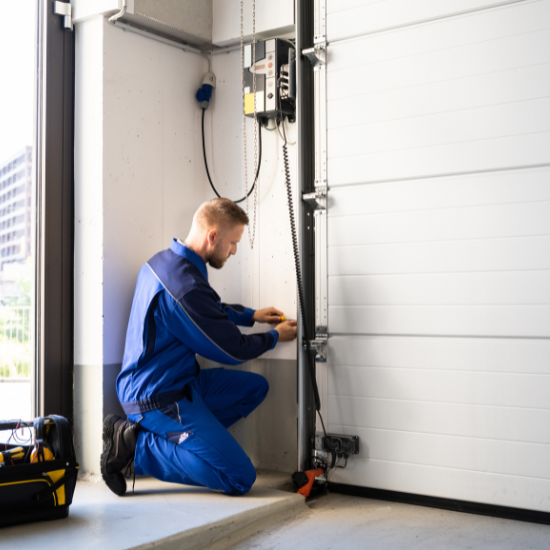
 When the cold of winter sets in across Toronto, homeowners are all too familiar with their garage door becoming louder, slower, or more difficult to raise. Though many winter garage door problems are the result of stiffening from cold or ice, one of spring’s most easily damaged parts is actually ignored.
These springs — torsion or extension — do most of the heavy lifting every time you open and close your garage door. When the mercury drops, they are subject to additional stresses that can lead to diminished performance or sudden malfunctions. Here’s what Toronto GTA homeowners need to know.
Why Cold Weather Impacts Garage Door Springs
Garage door springs are metal, and, as with any metal, they’re heat-sensitive. When temperatures drop below freezing:
Metal Contracts: Cold temperatures cause the steel in springs to contract, densifying and stiffening it. This causes the spring to be stretched further, applying stress and fatigue to it.
Lubrication Thickens: If springs are not well lubricated, when winter temperatures roll around, the grease can thicken or dry out, adding friction. This makes the door more difficult to lift and can hasten wear and tear.
Increased Workload: Your garage door may be weighed down by snow, ice, and swollen wooden door panels. You add weight, and that means your springs have to work even harder — already cold, already stressed.
Common Signs Cold Weather Is Damaging Your Springs
If the cold is bothering your springs, you may experience:
A Loud Bang from the Garage: A sharp, gunshot-like noise is usually indicative of a snapped torsion spring. This is a high-voltage component—under no circumstances should you repair it yourself.
The Door Struggles to Open: If the opener struggles or the door opens erratically, you might have weakening springs.
The Return of the Heavy Door: Try operating the door manually (disconnected from the opener). And if it feels noticeably heavier, the springs might be starting to break.
Spring is Rip or Rusty on Springs: The passage of a torsion spring is an obvious indication that it has broken. Rust worsens friction and accelerates wear, particularly when wet or wintry.
How to Protect Your Garage Door Springs in Winter
Lubricate Regularly: Spray springs, rollers and hinges with a silicone-based spray lubricant. Don’t use WD-40 because it is a degreaser, not a lubricant.
Schedule Annual Maintenance: Professionals check spring tension and condition to ensure they’re in proper working order and free of corrosion.
Keep the Garage Warmer: Keep it heated by insulation or a tiny space heater above freezing, if you can. This reduces metal contraction.
Remove Snow and Ice from the Door: Ice can cause springs to work harder.
Replace Springs in Pairs: If one goes, the other probably isn’t far behind — replacing both helps your door run more smoothly for longer.
Final Thoughts
When it’s this cold, all that stress can affect your garage door springs, and no amount of quality can prevent winter in Toronto from causing them to fail. By keeping your springs well-maintained and repairing them when necessary, you can ensure they do not weaken unexpectedly just when you need to use your garage door the most.
If you think your springs are on their way out, don’t delay – Toronto Garage Door Guys are here to keep your home safe and functioning throughout the winter, seamlessly.